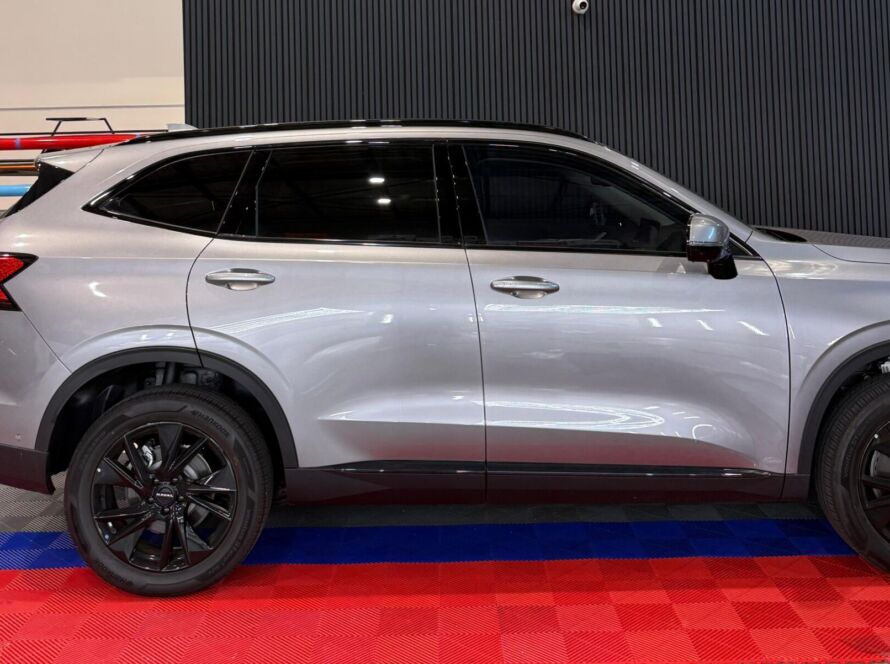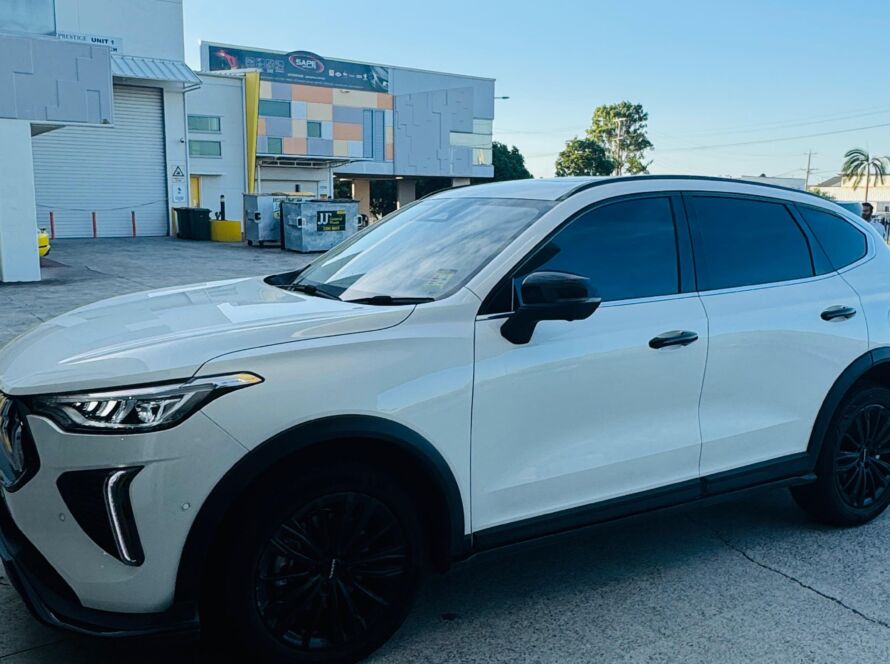


Window Tint Brisbane: Comfort, Privacy, and UV Protection (Full Guide)
Brisbane’s sun can feel relentless—bright mornings, strong glare, and hot afternoons that turn parked cars into ovens. Window tinting is one of the most practical upgrades you can make because it improves day-to-day driving comfort, adds privacy, and protects your car’s interior from UV-related fading and cracking.
Below is a larger, more detailed version of your article—written like a helpful buyer’s guide, with clear film options, benefits, and what to look for in a Brisbane installer.
Why Window Tint Makes Sense in Brisbane
Brisbane’s climate means vehicles are exposed to intense sunlight for much of the year. Even if your car is mostly parked under cover, regular sun exposure through glass can still:
- Increase cabin heat quickly
- Create harsh glare when driving (especially afternoons and on the M1)
- Fade dashboards, leather seats, door trims, and centre consoles over time
- Make your car feel less private when parked or stuck in traffic
A quality tint film helps manage these problems while also improving the look of your vehicle.
The Core Benefits of Window Tint
1) Cooler Cabin, Less Heat Build-Up
Good tint films reduce the amount of solar energy entering through windows. That translates into:
- Faster cool-down when you start driving
- Less reliance on air conditioning (especially in stop-start traffic)
- More comfortable passengers, particularly in the back seats
This is especially noticeable if your car has large glass areas (SUVs, wagons, dual cabs).
2) UV Protection for Your Interior
UV exposure is a major factor behind:
- Dash fading and cracking
- Leather drying and discolouration
- Plastic trims becoming brittle
A high-quality film can significantly cut UV, helping your interior look newer for longer and preserving resale value.
3) Reduced Glare for Safer Driving
Glare is one of the biggest day-to-day driving annoyances in Brisbane—low sun angles in the late afternoon, reflection from wet roads after storms, and headlights at night.
Tint helps reduce eye strain and improves visibility by softening harsh light without making windows impractically dark (when you choose the right shade).
4) Privacy Without Sacrificing Style
Tint adds a clean, premium look while making it harder for people to see inside your vehicle. That helps with:
- Keeping valuables less visible
- Improving comfort for families and passengers
- A more “finished” appearance, especially with black trim and darker wheels
5) Added Safety With Quality Films
Many premium films also provide a safety benefit: if glass breaks, the film can help hold shattered pieces together, reducing flying fragments (this depends on film type and glass impact).
Choosing Your Tint Style (Film Types)
Not all tint is equal. Film choice affects heat rejection, clarity, longevity, and price. Here’s a detailed breakdown of the three types you listed, plus what they’re best for.
✅ Ceramic Tint (Best Heat Performance)
Ceramic films are the top tier. They use nano-ceramic technology that reduces heat effectively while maintaining excellent clarity.
Best for:
- Drivers who want the coolest cabin possible
- People who park outdoors often
- Premium cars where clarity and finish matter
- Anyone planning to keep the vehicle long-term
Pros
- Excellent heat rejection
- Strong UV protection
- Usually very clear (less “hazy” look)
- Long-lasting, stable colour over time
Considerations
- Costs more than other options
- Quality varies by brand—installation shop matters
Bottom line: If heat reduction is your priority in Brisbane, ceramic is typically the best choice.
✅ Carbon Tint (Balanced Performance and Value)
Carbon tint is a popular mid-range option. It provides strong performance without the higher price tag of ceramic.
Best for:
- Everyday drivers wanting a noticeable improvement
- People who want better heat control without top-tier pricing
- Those wanting a darker, more “factory” style look
Pros
- Better heat performance than dyed films
- Usually more colour-stable than basic tints
- Good appearance and value
Considerations
- Heat rejection is generally less than ceramic
- Brand and installer quality still matter
Bottom line: Great “sweet spot” choice—good performance and good value.
✅ Dyed Tint (Entry-Level Appearance Upgrade)
Dyed film is often the most budget-friendly option and focuses more on appearance and glare reduction than maximum heat control.
Best for:
- Budget builds
- People mainly wanting a darker look and basic privacy
- Short-term ownership or older vehicles
Pros
- Lowest cost
- Improves appearance and reduces glare
- Provides some UV protection (varies by brand)
Considerations
- Least effective for heat reduction
- May fade or change colour over time if lower quality
- Typically shorter lifespan than carbon/ceramic
Bottom line: Good for looks and basic comfort, but not the best if heat is your main issue.
Shade Selection: How Dark Should You Go?
Most people choose tint based on the look, but the “best” shade depends on your driving habits and needs:
Lighter Shades (Subtle)
- Cleaner, factory-like look
- Better visibility at night
- Still offers UV and heat benefits (especially with ceramic)
Medium Shades (Popular All-Rounder)
- Noticeable privacy and glare reduction
- Great balance for daily driving
- Common choice for families and commuters
Darker Shades (Max Privacy Look)
- Strong privacy and style impact
- Can reduce night visibility depending on car, lighting, and driver comfort
- Best done with quality film so clarity stays good
A trusted Brisbane installer will help you select a shade that matches your preferences while staying compliant with local rules.
What to Expect From a Professional Tint Install
A high-quality tint job should look “factory”—clean, smooth, and consistent across every window.
Signs of a Professional Installation
- Smooth finish with no bubbles or dust specks
- Straight, clean edges (no jagged cuts)
- Film aligned properly around seals and corners
- No visible creases or “fingers” on curved glass
- Even colour matching across all windows
Warranty Matters
A reputable installer will back their work with a warranty covering issues like:
- Bubbling
- Peeling
- Fading or discolouration
- Adhesive failure
If a shop can’t clearly explain their warranty, it’s a red flag.
Aftercare: What You Should Do After Tinting
To protect your tint while it cures:
First few days
- Avoid rolling windows down (your installer will tell you how long)
- Don’t clean the inside of the glass immediately
- Expect slight haziness or water marks—this usually clears as it cures
Cleaning tips
- Use ammonia-free glass cleaners
- Use a soft microfibre cloth
- Don’t scrape with sharp tools
Proper aftercare helps your tint last years longer and keeps it looking new.
How to Choose a Trusted Window Tint Installer in Brisbane
Before booking, ask these simple questions:
- What film brand do you use?
A good shop will tell you openly and explain why. - What warranty do you provide—and what does it cover?
You want written warranty terms, not vague promises. - Do you cut film on the glass or pre-cut templates?
Either can be fine—what matters is quality control and finish. - How long will the install take and what’s the cure time?
A professional will give clear expectations. - Can you show recent work photos or reviews?
Consistency matters more than one “best” example.
Quick Recommendation Guide
If you want a simple cheat sheet:
- Maximum heat rejection + premium clarity: Ceramic
- Best all-round value: Carbon
- Lowest-cost style upgrade: Dyed
Final Thoughts
Window tinting in Brisbane isn’t just cosmetic—it’s a comfort and protection upgrade that pays off every day you drive. The right film reduces glare, blocks UV exposure, keeps your cabin cooler, and helps your interior last longer. Pair that with a reputable installer and a solid warranty, and you’ll get a smooth, bubble-free finish that looks great for years